



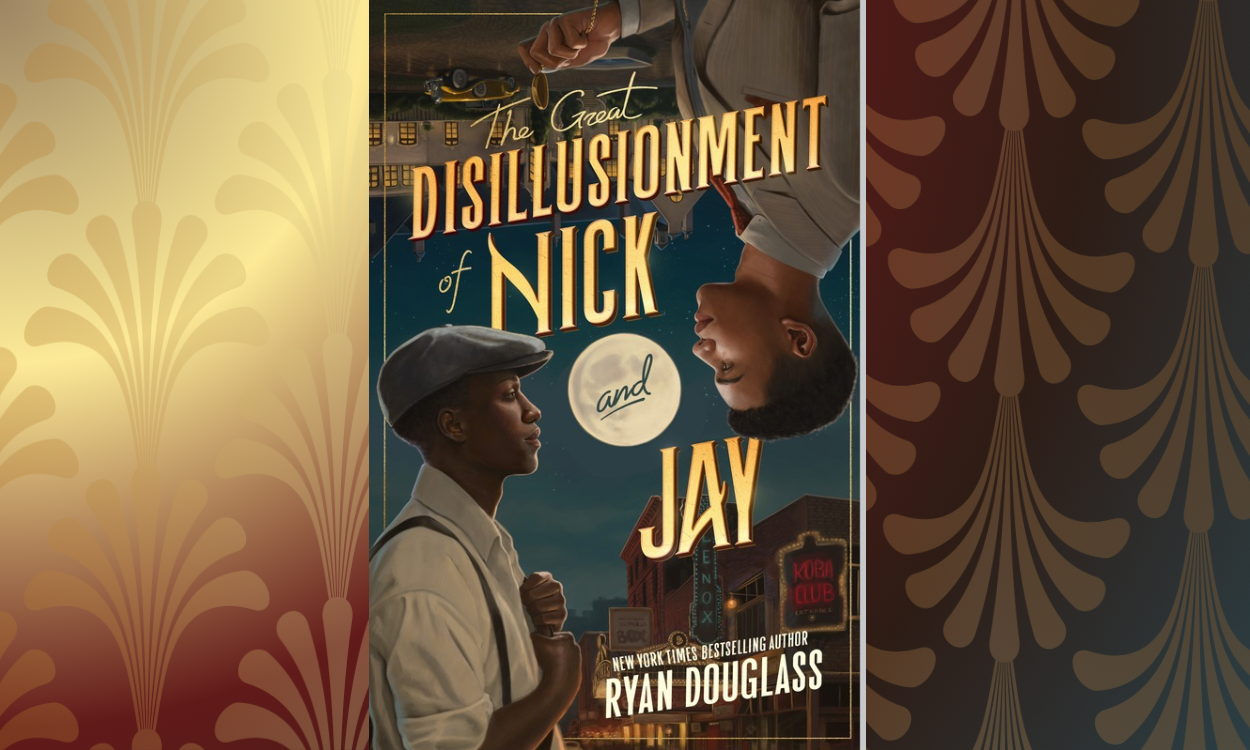
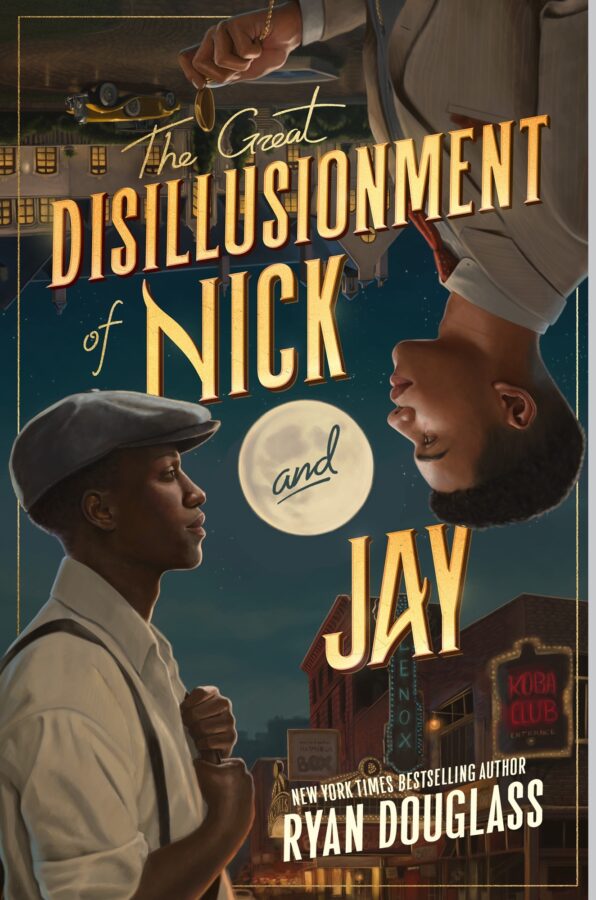
A tender, slow-burn reimagining that centers Black queer boyhood as political, romantic, and deeply human, this novel turns longing into a quiet, rhythmic act of resistance.
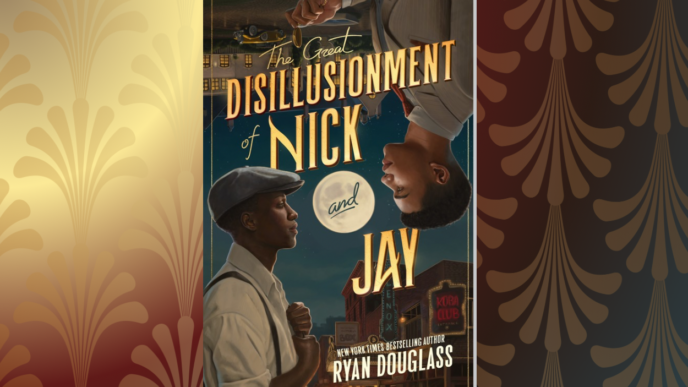
Set against the vibrant pulse of the Harlem Renaissance, this Black queer reimagining of The Great Gatsby unfolds in lush, rhythmic prose shaped by grief, longing, and the quiet ache of wanting more. Ryan Douglass, author of The Taking of Livingston, returns with a slow-burn historical novel that treats Black queer yearning not as spectacle or tragedy, but as something lived and deeply human.
Seventeen-year-old Nick Carrington arrives in Harlem from Oklahoma after the death of his parents, unsure of where he belongs and still learning how to carry loss in his body. Living with his aunt and uncle, he struggles to adjust to the city’s pace and promise. Hoping for a future beyond survival and his grief, Nick applies to the prestigious West Egg Academy. This elite school claims to prepare young Black and white men for greatness while quietly reserving its highest ambitions for others.
The Great Disillusionment of Nick and Jay is a Great Gatsby reimagination
Before violence enters the story, Nick writes a letter confronting the school about its limited vision for Black students. Then the arson happens. His dorm is set on fire. The fire department never arrives. No arrests are made. What follows is not resolution, but silence, the kind that teaches students exactly how expendable they are.
On campus, Nick forms a tentative connection with Jay Gatsby Jr., the charismatic, biracial son of the school’s powerful founder. As their relationship deepens, hovering between friendship and desire, Nick is drawn into Black queer spaces across New York City where joy feels fragile but possible. The novel ultimately becomes a meditation on Black queer boyhood, on speaking up before institutions close ranks, and on dreaming toward a future that insists Black queer life can be more than containment.
Critique
The novel’s slow-burn pacing may test readers looking for a quicker plot, especially with the mystery elements, but that gradual buildup ultimately serves its emotional and political heart, letting interiority and atmosphere do the heavy lifting in a way that mood readers will savor.
Verdict
For readers seeking an authentic Black YA male romance where yearning, love, justice, and identity shape every character’s journey, this novel delivers a tender, politically aware story that honors emotional intimacy and self-discovery, with Harlem Renaissance details woven in like knowing glances across a crowded room.
STANDARD PUBLISHER NOTE:
Fabulize Magazine permits publishers and publicists to excerpt pull quotes from this review for marketing and promotional use, including on book covers and retailer materials, with attribution.

Fabulizemag.com is a feminist pop culture 'zine for BIPOC nerds.